English
 中文简体
中文简体
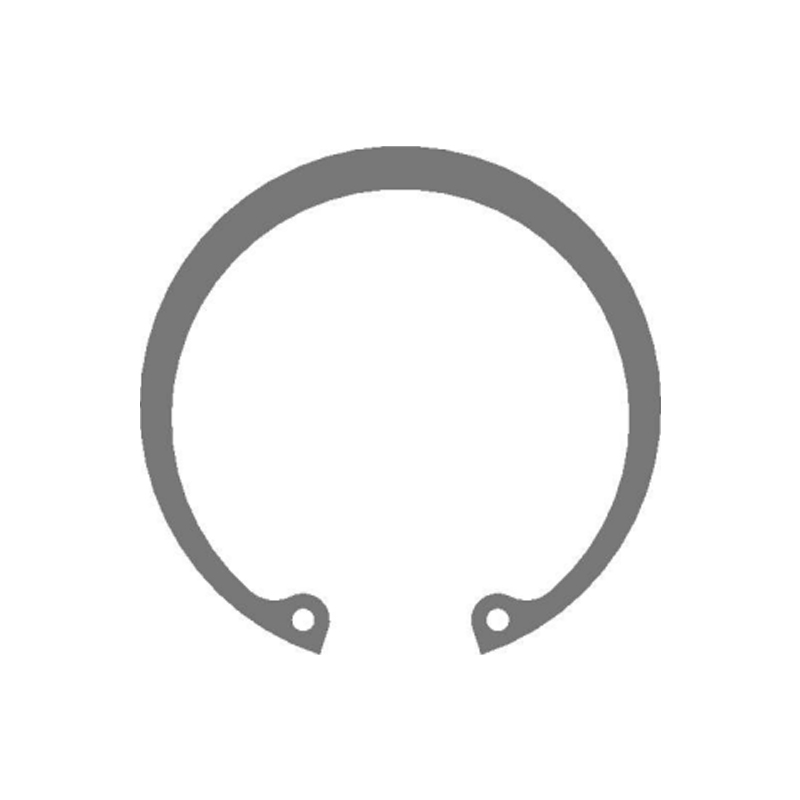
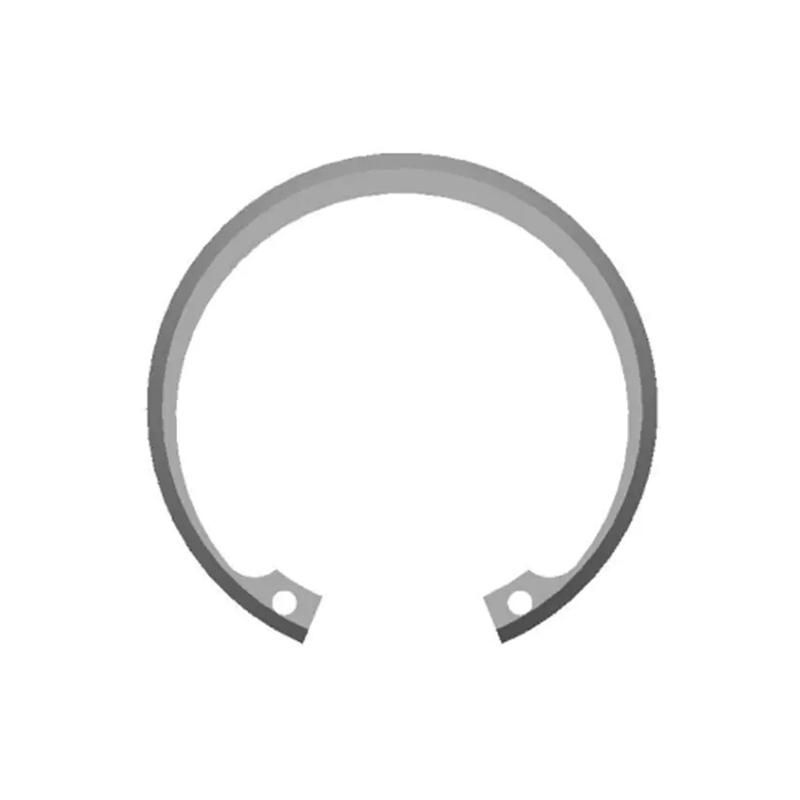
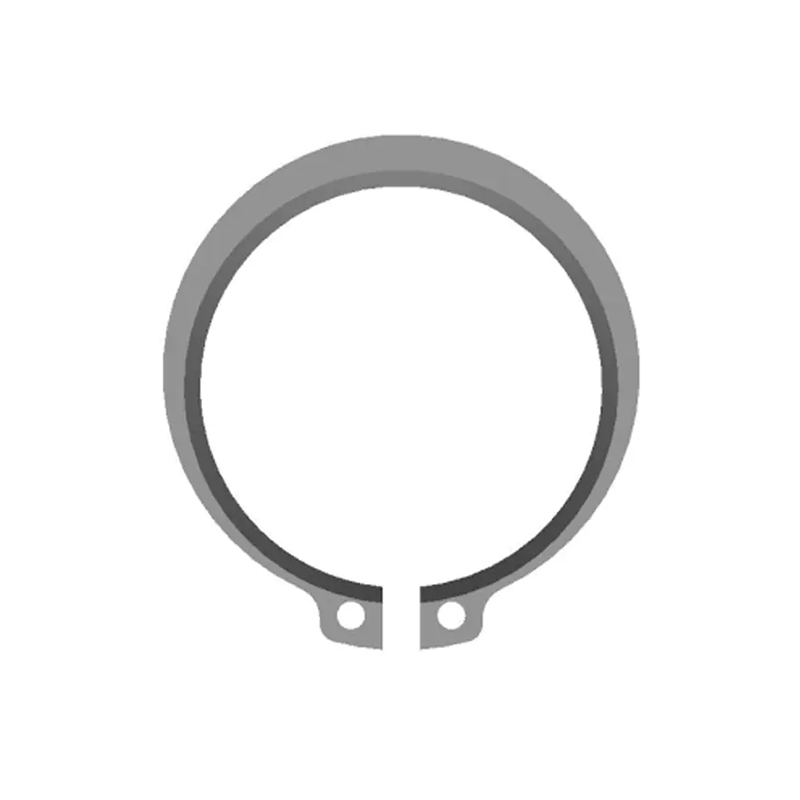
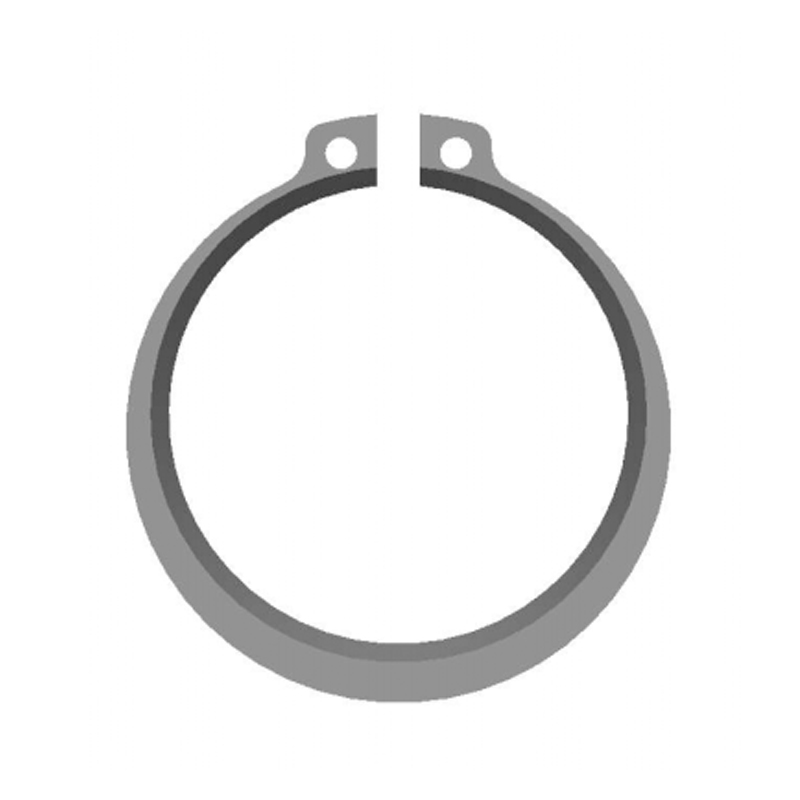
Stainless steel circlips are widely used in mechanical assemblies for retaining components on shafts and in bores. Despite their simple appearance, improper selection, installation, and handling can lead to performance issues, equipment failure, or even safety hazards. Understanding the common mistakes associated with stainless steel circlips is essential for engineers, maintenance personnel, and product designers to ensure reliability and longevity in mechanical systems.
Content
Incorrect circlip sizing and selection
One of the most frequent mistakes is choosing a circlip with an incorrect diameter, thickness, or material grade. Using a circlip that is too small or too large can result in inadequate retention, deformation, or premature wear. In addition, failing to account for the operating environment—such as temperature fluctuations, corrosion potential, or load requirements—can compromise the circlip’s performance. Always refer to manufacturer specifications and consider factors like shaft tolerance, groove width, and material compatibility.
Key considerations for proper selection
- Verify the circlip diameter matches the shaft or bore and groove specifications precisely.
- Choose material grades that offer adequate corrosion resistance and mechanical strength for the application.
- Consider dynamic versus static applications to select appropriate circlip hardness and flexibility.
Improper installation techniques
Installation errors are another common cause of circlip failure. Applying excessive force, using inappropriate tools, or misaligning the circlip during installation can deform the circlip or damage the groove. These errors not only reduce retention strength but can also make future maintenance difficult. Specialized circlip pliers or installation tools should be used to ensure correct placement without inducing stress.
Best practices for installation
- Use circlip pliers designed for internal or external circlips, depending on the application.
- Ensure the circlip sits fully in the groove without distortion or tilting.
- Avoid hammering or forcing the circlip into place, which can cause micro-cracks or permanent deformation.
Neglecting environmental and operational conditions
Even correctly sized and installed circlips can fail if environmental or operational factors are ignored. Exposure to high temperatures, corrosive chemicals, or repeated mechanical stress can weaken stainless steel circlips over time. Selecting the right material grade, such as 304 or 316 stainless steel, depending on corrosion resistance and temperature tolerance, is crucial for ensuring long-term performance.
Preventive measures
- Identify potential chemical or moisture exposure and select corrosion-resistant grades accordingly.
- Avoid applications where excessive vibration or shock could dislodge the circlip unless design modifications are made.
- Regularly inspect high-stress assemblies for signs of wear or deformation.
Reusing damaged or deformed circlips
Reusing circlips that have been removed from previous assemblies is a mistake that can compromise mechanical reliability. Even slight deformation or micro-cracks can reduce retention force and lead to failure during operation. Always replace circlips with new, properly rated components when performing maintenance or repairs.
Guidelines for reuse
- Inspect circlips visually for bends, cracks, or signs of fatigue before reuse.
- Avoid reusing circlips in critical or high-load applications.
- Consider cost versus risk; replacement is often more economical than potential failure.
Comparative analysis of common mistakes and their consequences
| Mistake | Impact on Performance | Recommended Action |
| Incorrect sizing or selection | Inadequate retention, deformation, premature wear | Verify dimensions, material grade, and load requirements |
| Improper installation | Deformation, damage to groove, reduced retention | Use correct pliers and ensure proper placement |
| Environmental neglect | Corrosion, fatigue, failure under stress | Select appropriate stainless steel grade and inspect regularly |
| Reusing damaged circlips | Loss of retention, assembly failure | Always replace with new components |
Conclusion: ensuring reliability with proper circlip practices
Avoiding common mistakes with stainless steel circlips is critical to maintaining mechanical reliability, safety, and efficiency. Correct sizing, careful installation, attention to environmental conditions, and avoidance of reuse are essential practices. By following these guidelines, engineers and maintenance teams can ensure long-lasting performance and prevent failures in high-precision or high-load assemblies.