English
 中文简体
中文简体
Content
Introduction to Internal Reverse Circlips in Precision Equipment
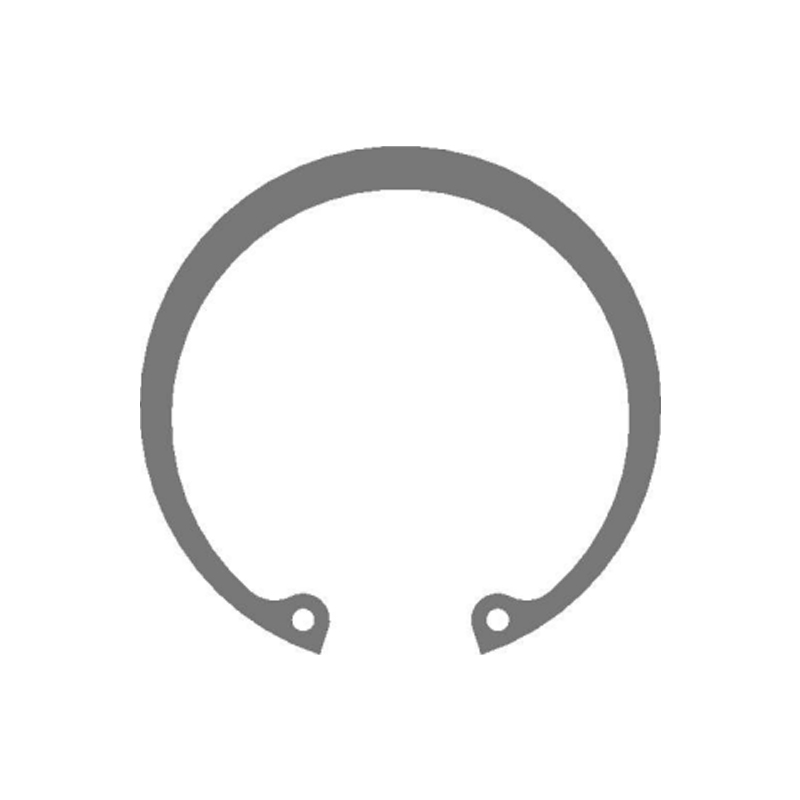
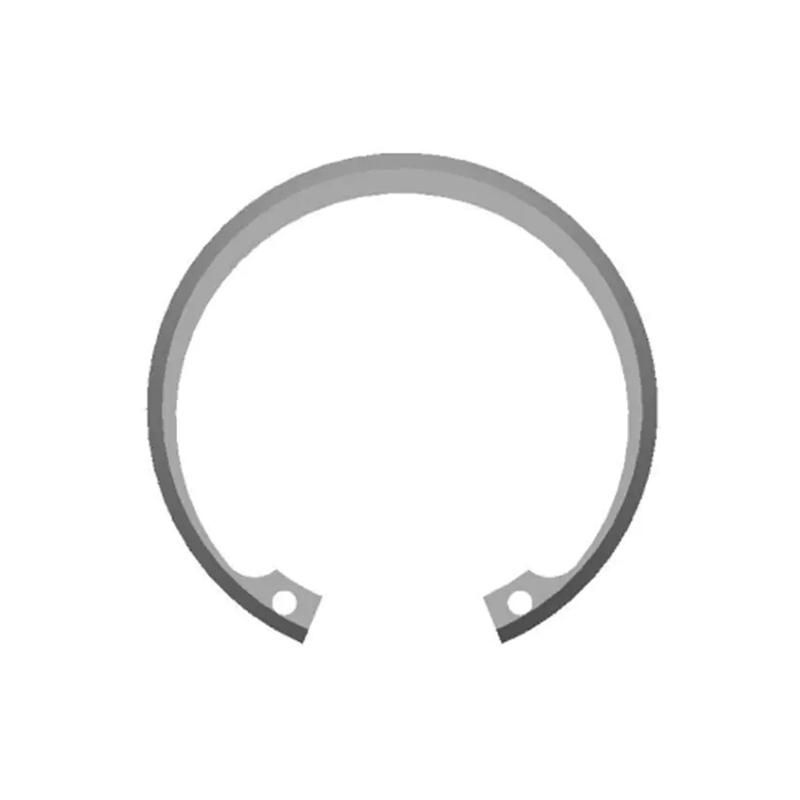
Internal reverse circlips are compact, high-performance retaining rings designed to fit into grooves within bores or housings, securing components such as shafts, bearings, and gears in place. In precision equipment, even minor axial movement can compromise performance, making the correct selection of internal reverse circlips crucial for stability, accuracy, and long-term reliability.

Key Functions of Internal Reverse Circlips
Internal reverse circlips primarily prevent axial displacement of components within a housing, ensuring that mechanical assemblies maintain alignment under load. Their design allows them to resist forces acting along the axis while being compact enough to fit in limited spaces. Precision applications often require circlips that can handle high-speed rotations, vibrations, and repeated loading cycles without deforming or loosening.
Axial Retention and Load Distribution
The circlip’s geometry distributes axial forces evenly around the groove, reducing stress concentrations that could damage sensitive components. In precision equipment, this feature is critical to maintaining tolerances and preventing misalignment that can affect performance, wear, and operational safety.
Vibration and Shock Resistance
Precision machinery often operates under conditions with vibration or intermittent shocks. High-quality internal reverse circlips resist these dynamic forces, keeping bearings and shafts firmly in place while reducing the risk of loosening or component failure. Material choice and manufacturing tolerances play a key role in achieving reliable performance.
Selection Criteria for Precision Equipment
Selecting the right internal reverse circlip requires careful consideration of groove dimensions, shaft or bore diameters, material properties, operating loads, and environmental conditions. Proper selection ensures mechanical stability, prolongs component life, and maintains the performance standards required in precision equipment.
Material and Hardness
Materials commonly used for internal reverse circlips include carbon steel, stainless steel, and high-strength alloys. The choice depends on operating environment, corrosion resistance, and load requirements. Precision applications often require consistent hardness and elastic properties to maintain fit without permanent deformation.
Dimensional Accuracy and Groove Fit
The internal reverse circlip must precisely match groove dimensions and bore diameters. Even slight deviations can lead to insufficient retention or excessive stress on components. Engineers should reference manufacturer datasheets for groove width, diameter tolerance, and recommended installation methods to ensure optimal performance.
Load and Speed Considerations
Consideration of axial load and rotational speed is essential. Internal reverse circlips must withstand the operational forces without fatigue, creep, or loosening. For high-speed or high-load applications, circlips with enhanced surface finish and precise spring tension provide better reliability and longevity.
Installation and Handling Best Practices
Correct installation is critical for internal reverse circlips to function as intended. Improper handling can lead to deformation, uneven stress distribution, or failure during operation. Following proper installation procedures ensures secure retention and prolongs the service life of both the circlip and the assembly components.
Use of Specialized Tools
Special pliers or installation tools are recommended to expand and insert the circlip into the bore groove without bending or damaging the ring. Precision equipment installations often require high accuracy, so using these tools minimizes the risk of misalignment or uneven tension.
Inspection and Quality Control
After installation, inspect the circlip for proper seating, uniform tension, and alignment with the groove. Regular inspections during maintenance help detect wear, corrosion, or loosening before it affects precision performance.
Comparison of Common Internal Reverse Circlip Types
| Type | Typical Bore Range | Applications | Material |
| Standard Internal Reverse Circlip | 3mm–50mm | General machinery and small precision devices | Carbon steel, stainless steel |
| Heavy-Duty Internal Reverse Circlip | 25mm–150mm | High-load precision equipment, automotive shafts | High-strength alloy, treated carbon steel |
| High-Temperature / Corrosion-Resistant Circlip | 5mm–80mm | Aerospace, chemical, and high-speed applications | Stainless steel, nickel-plated alloys |
Conclusion
Selecting the right internal reverse circlip is critical for precision equipment to maintain alignment, prevent axial displacement, and ensure reliable operation. By considering material, size, load, and installation requirements, engineers can achieve optimal performance while reducing maintenance risks. Proper selection and handling of internal reverse circlips enhance machine efficiency, longevity, and accuracy in demanding industrial and mechanical applications.