English
 中文简体
中文简体
Content
- 1 Material Characteristics of 1.4122 Stainless Steel Circlips
- 2 Mechanical Properties After Heat Treatment
- 3 Corrosion Resistance Compared to Other Stainless Steel Circlips
- 4 Dimensional Standards and Precision Requirements
- 5 Application-Specific Selection Guidance
- 6 Manufacturing Control and Quality Assurance
Material Characteristics of 1.4122 Stainless Steel Circlips
1.4122 circlips are manufactured from martensitic stainless steel grade 1.4122, a high-carbon chromium alloy commonly used where strength, hardness, and moderate corrosion resistance are required simultaneously. This material corresponds to X39CrMo17 under EN standards and contains chromium and molybdenum additions that enhance wear resistance and mechanical durability after heat treatment.
For circlip applications, the most important material characteristics include tensile strength, yield strength, elastic recovery, and fatigue resistance. Because circlips function as retaining elements subjected to radial stress and repeated loading, 1.4122 stainless steel provides the rigidity required to maintain groove engagement without permanent deformation.
Mechanical Properties After Heat Treatment
1.4122 stainless steel circlips are typically supplied in a quenched and tempered condition. Heat treatment significantly increases hardness and spring characteristics, which are essential for reliable retention performance. The heat treatment process usually includes austenitizing, oil or air quenching, and controlled tempering to balance hardness with toughness.
| Property | Typical Range | Functional Impact |
| Hardness | 48–54 HRC | Improves wear resistance and groove stability |
| Tensile Strength | High | Maintains retention under axial load |
| Elastic Recovery | Strong | Prevents permanent deformation during installation |
This combination of hardness and elasticity allows stainless steel circlips made from 1.4122 to operate reliably in dynamic assemblies such as gearboxes, shafts, pumps, and mechanical transmission systems.
Corrosion Resistance Compared to Other Stainless Steel Circlips
Stainless steel circlips are available in different grades, including austenitic types such as 1.4301 and martensitic grades like 1.4122. The corrosion resistance of 1.4122 is moderate compared to austenitic stainless steels. Its higher carbon content improves hardness but slightly reduces corrosion resistance.
In industrial environments where mechanical strength is more critical than exposure to aggressive chemicals, 1.4122 circlips are preferred. For marine or highly corrosive conditions, alternative stainless steel grades may be selected. Surface passivation or protective coatings can further improve corrosion performance in humid or mildly corrosive settings.
Dimensional Standards and Precision Requirements
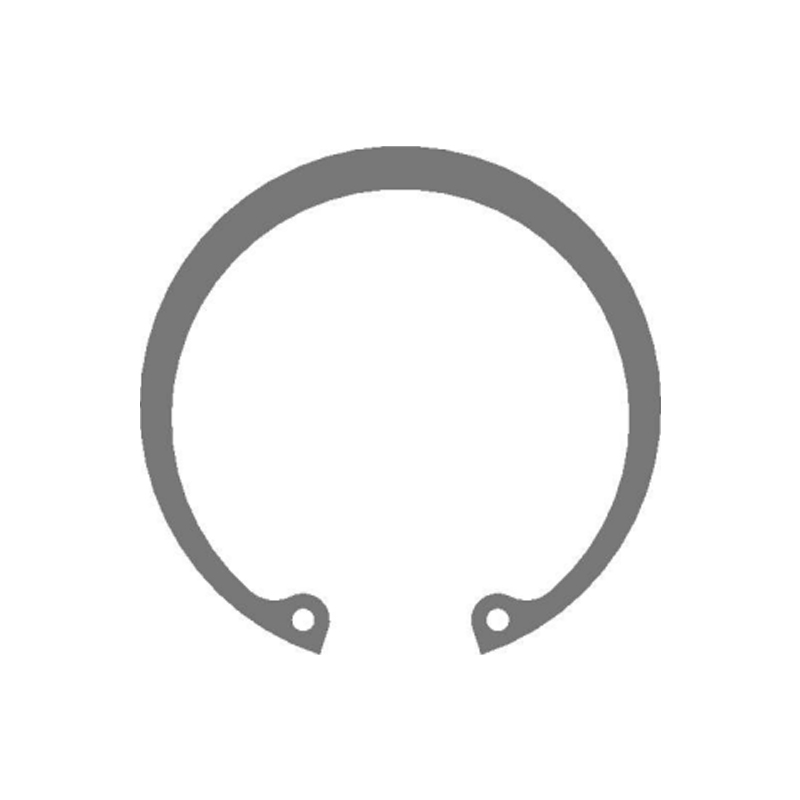
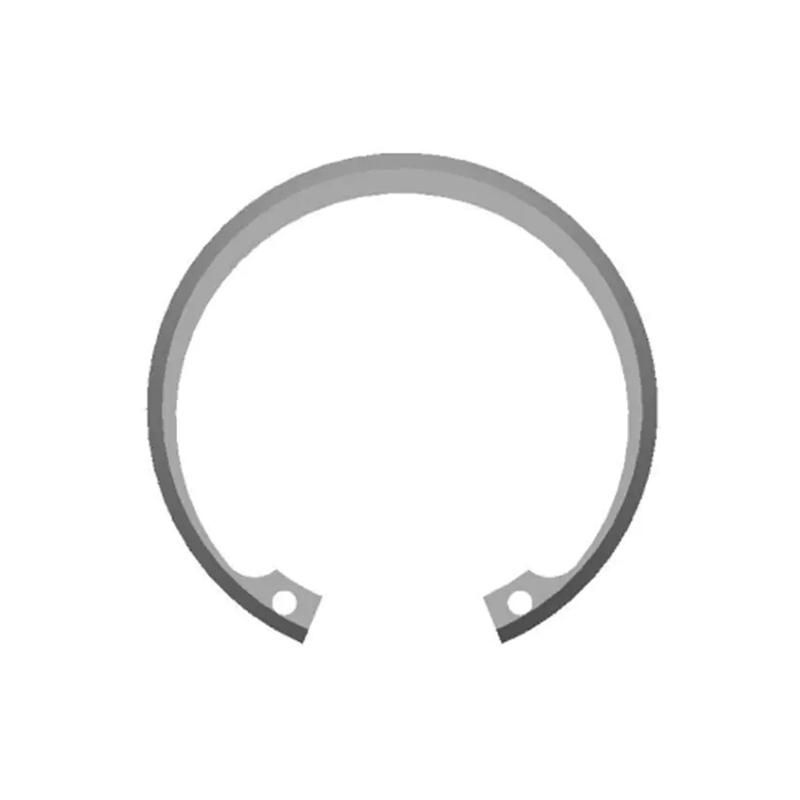
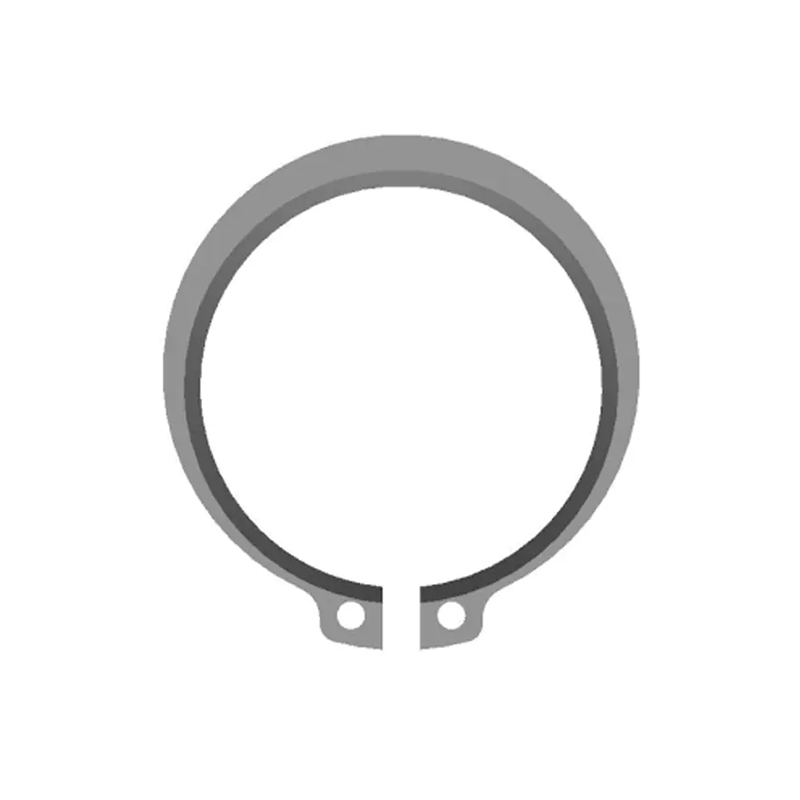
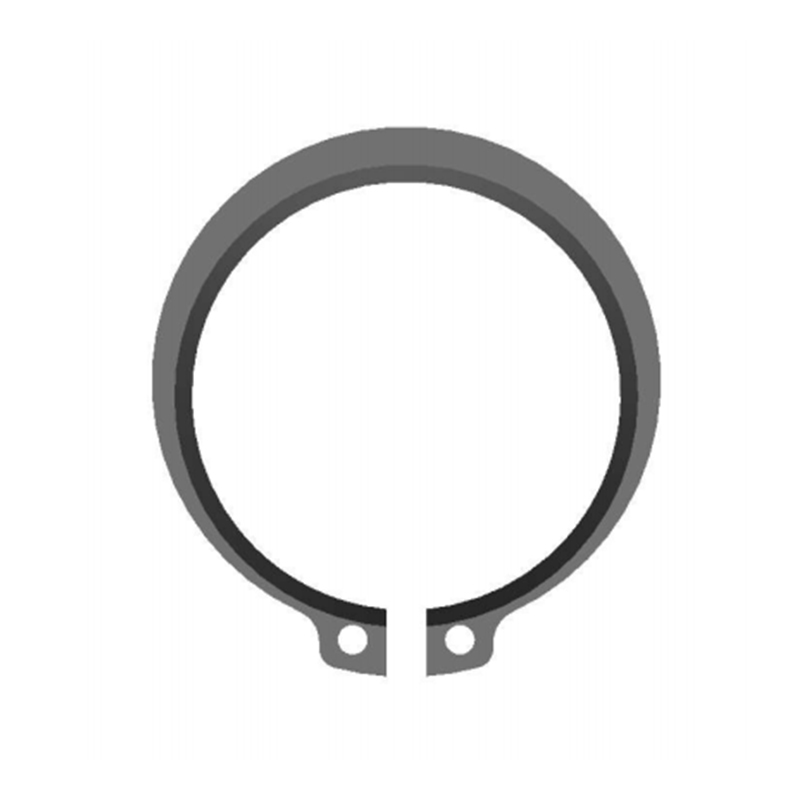
1.4122 stainless steel circlips are commonly produced according to DIN 471 for external circlips and DIN 472 for internal circlips. These standards define groove dimensions, thickness tolerances, free diameter, and load capacity parameters.
- External circlips are designed for shafts and provide axial retention by fitting into machined grooves.
- Internal circlips are installed inside bores to secure components such as bearings or bushings.
- Heavy-duty versions are available for higher load applications.
- Precision stamping and controlled heat treatment are required to maintain dimensional stability.
Accurate groove machining is essential to ensure proper seating. Improper groove depth or width can reduce load capacity and lead to premature failure.
Application-Specific Selection Guidance
Selecting 1.4122 circlips depends on operational load, environmental exposure, installation frequency, and vibration conditions. In rotating assemblies, fatigue strength and elastic recovery are primary considerations. In static retention systems, corrosion resistance and long-term dimensional stability become more significant.
When specifying stainless steel circlips, engineers should evaluate:
- Axial load capacity relative to groove geometry.
- Operating temperature and thermal expansion compatibility.
- Exposure to moisture, oils, or cleaning agents.
- Installation tooling and maintenance frequency.
Proper installation using calibrated circlip pliers prevents over-expansion or deformation. Reusing circlips in high-load applications is not recommended due to potential reduction in spring force after repeated expansion cycles.
Manufacturing Control and Quality Assurance
Production of 1.4122 stainless steel circlips involves precision stamping, heat treatment, tempering, surface finishing, and dimensional inspection. Hardness testing, tensile verification, and visual inspection for edge cracks are standard quality control steps.
To maintain consistent performance, batch traceability and material certification are essential. Mechanical testing ensures that the circlips meet required strength thresholds, while corrosion testing validates surface treatment effectiveness.
In high-performance mechanical systems, selecting properly heat-treated 1.4122 circlips contributes to reliable axial retention, extended service life, and stable mechanical performance under dynamic load conditions.