English
 中文简体
中文简体
Content
- 1 Material Overview of 1.4122 Circlips
- 2 Mechanical Properties Relevant to Circlip Performance
- 3 Corrosion Resistance Characteristics of 1.4122 Circlips
- 4 Typical Applications for 1.4122 Circlips
- 5 Comparison with Other Common Circlip Materials
- 6 Installation and Fit Considerations
- 7 Quality and Specification Factors to Evaluate
Material Overview of 1.4122 Circlips
1.4122 circlips are retaining rings manufactured from martensitic stainless steel grade 1.4122, a material known for its combination of mechanical strength and corrosion resistance. This steel grade contains a controlled chromium content that enhances resistance to oxidation while allowing heat treatment to achieve higher hardness compared with austenitic stainless steels. As a result, 1.4122 circlips are widely used in mechanical assemblies where both secure axial retention and environmental durability are required.
In circlip applications, the material must maintain elastic deformation during installation while providing sufficient spring force to hold components in position. 1.4122 stainless steel supports this balance by offering stable elastic behavior after hardening and tempering, making it suitable for precision retaining systems.
Mechanical Properties Relevant to Circlip Performance
The performance of a circlip is directly linked to the mechanical properties of the base material. 1.4122 stainless steel provides higher tensile strength and wear resistance than many standard stainless options, which is critical for components exposed to vibration, repeated loading, or rotational forces.
- High tensile strength supports secure axial retention
- Good elastic recovery reduces permanent deformation after installation
- Improved wear resistance limits edge damage in grooved assemblies
- Stable performance under moderate thermal variation
Corrosion Resistance Characteristics of 1.4122 Circlips
Compared with carbon steel circlips, 1.4122 circlips offer enhanced corrosion resistance due to their chromium alloying. This makes them suitable for applications exposed to moisture, oils, or mildly aggressive environments. While their corrosion resistance is not equivalent to fully austenitic stainless steels, they provide a practical balance between strength and environmental protection.
In mechanical systems where lubrication is present or where intermittent exposure to humidity occurs, 1.4122 circlips help reduce the risk of rust formation that could compromise fit or disassembly. Surface finishing and proper storage further support corrosion performance in long-term use.
Typical Applications for 1.4122 Circlips
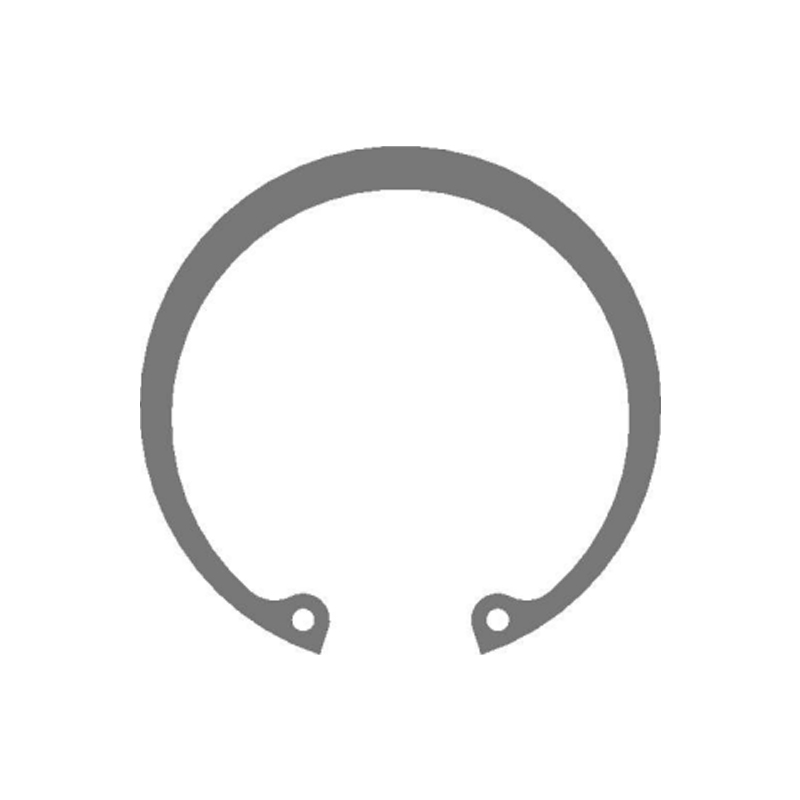
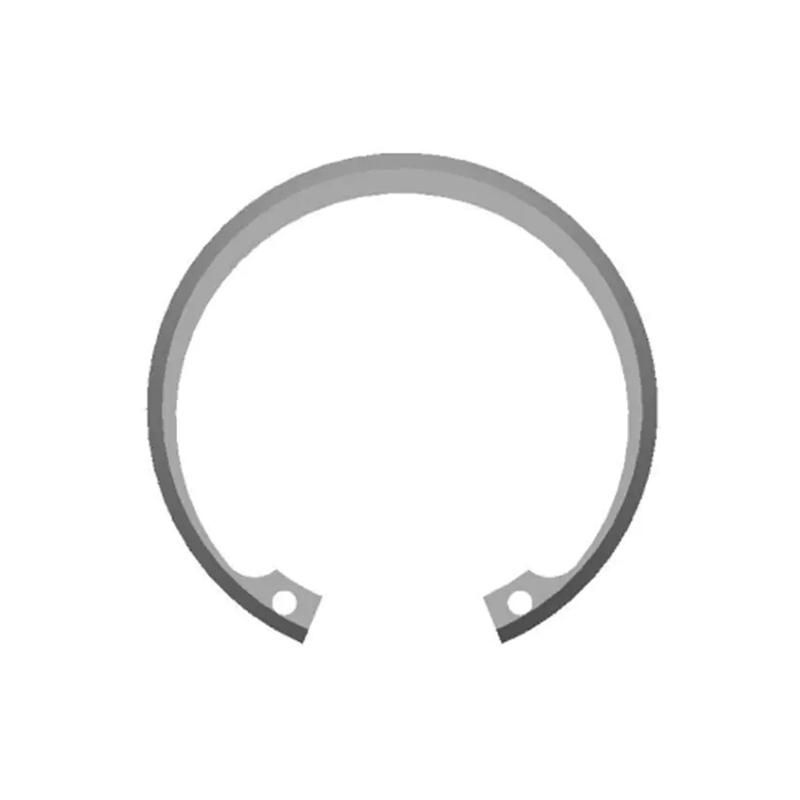
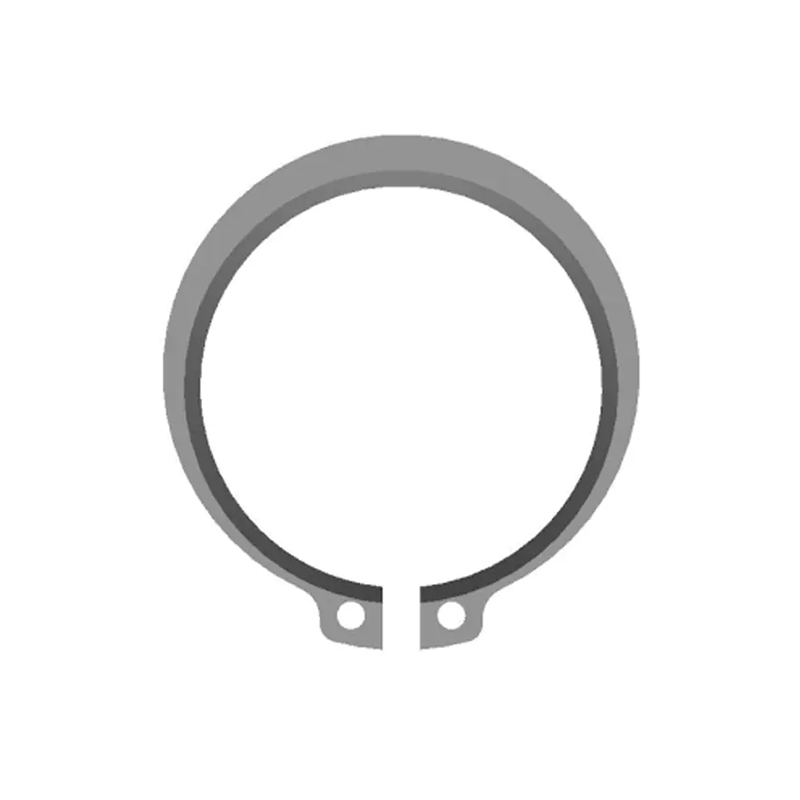
1.4122 circlips are selected for applications that demand reliable retention under mechanical stress while maintaining dimensional stability. Their material characteristics make them suitable for both internal and external circlip designs used across various industries.
- Automotive assemblies such as gearboxes and transmission components
- Industrial machinery with rotating shafts and bearing systems
- Mechanical tools requiring compact and secure axial positioning
- Equipment operating in mildly corrosive or lubricated environments
Comparison with Other Common Circlip Materials
Selecting 1.4122 circlips often involves comparing their performance with alternative materials. Each option presents trade-offs between strength, corrosion resistance, and cost.
| Material | Strength Level | Corrosion Resistance | Typical Use Case |
| 1.4122 Stainless Steel | High | Moderate | High-load mechanical assemblies |
| Carbon Spring Steel | Very High | Low | Dry, non-corrosive environments |
| Austenitic Stainless Steel | Medium | High | Corrosion-sensitive installations |
Installation and Fit Considerations
Proper installation is essential to achieve the intended performance of 1.4122 circlips. The material’s hardness supports strong retention, but also requires accurate groove dimensions to prevent stress concentration or improper seating. Precision machining of the shaft or bore groove ensures uniform load distribution along the circlip circumference.
Using appropriate installation tools helps avoid surface damage and maintains the elastic properties of the circlip. Controlled expansion or compression during fitting reduces the risk of micro-cracks that could affect long-term reliability.
Quality and Specification Factors to Evaluate
When sourcing 1.4122 circlips, material certification and dimensional accuracy are critical evaluation points. Consistent heat treatment and material traceability support predictable mechanical behavior across production batches.
Manufacturers typically align 1.4122 circlips with established circlip standards for dimensions and tolerances. Verifying compliance with these standards supports compatibility with existing designs and reduces assembly risk in precision mechanical systems.