English
 中文简体
中文简体
Content
Understanding Stamping Circlips and Material Importance
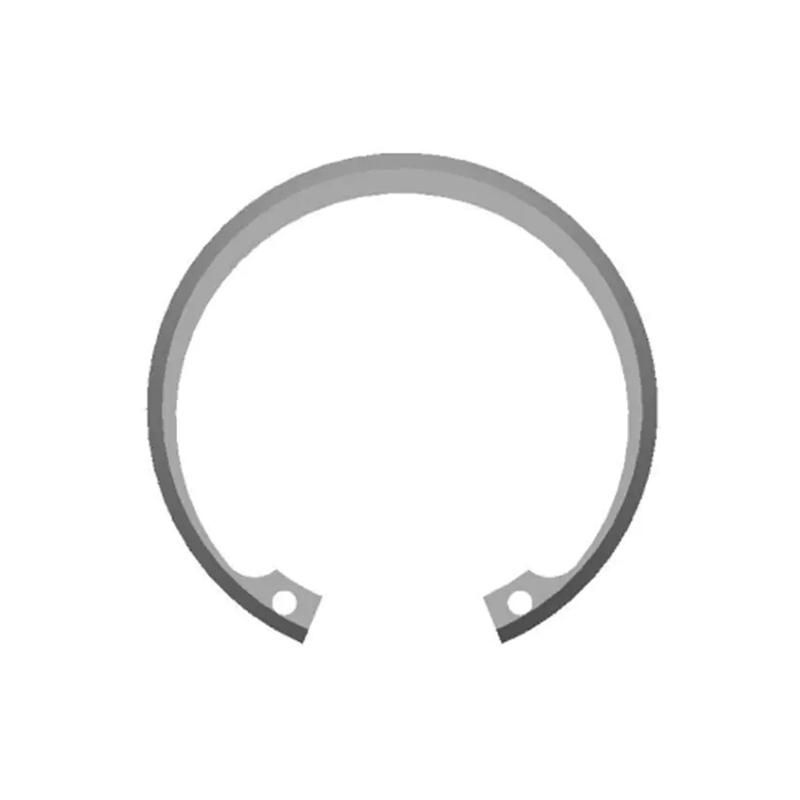
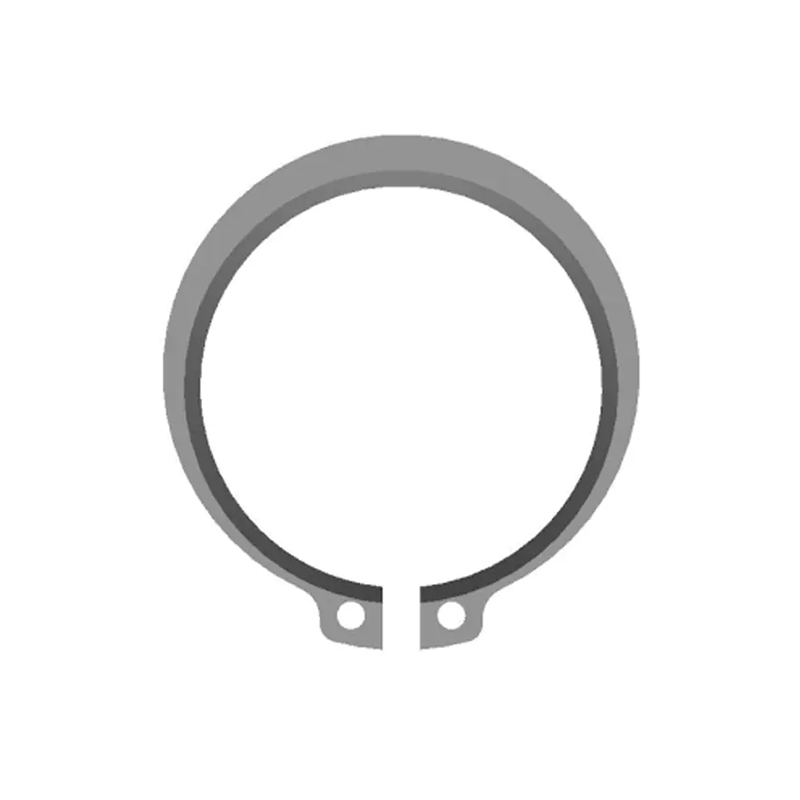
Stamping circlips are critical components used to secure shafts, pins, or other cylindrical parts in mechanical assemblies. Choosing the right material directly affects performance, durability, and resistance to wear and corrosion. Proper material selection ensures reliability in applications ranging from automotive engines to industrial machinery.

Common Materials for Stamping Circlips
Various materials are used in manufacturing stamping circlips. Each material offers unique properties suitable for different environments and mechanical requirements.
Carbon Steel
Carbon steel is widely used due to its strength and cost-effectiveness. It provides excellent tensile strength and can withstand moderate loads. However, it is prone to rust if not coated or treated properly.
- High strength suitable for heavy-duty applications.
- Heat treatment improves hardness and fatigue resistance.
- Requires surface coating like phosphate or zinc for corrosion resistance.
Stainless Steel
Stainless steel circlips are preferred in corrosive environments due to their excellent rust resistance. They maintain mechanical strength over time and are ideal for outdoor, marine, and food-processing applications.
- Resistant to oxidation and corrosion.
- Good tensile strength for medium to high load conditions.
- Maintains performance at elevated temperatures.
Alloy Steel
Alloy steels contain additional elements like chromium, nickel, or molybdenum to enhance strength, toughness, and wear resistance. They are suitable for high-performance or high-stress applications.
- Higher strength than standard carbon steel.
- Improved fatigue and impact resistance.
- Can be heat-treated for additional hardness.
Phosphor Bronze and Other Specialty Alloys
For specific requirements such as electrical conductivity or non-magnetic properties, phosphor bronze or other specialty alloys are used. These materials provide unique characteristics that standard steels cannot offer.
- Phosphor bronze offers excellent corrosion resistance and wear properties.
- Non-magnetic materials prevent interference in sensitive applications.
- Ideal for precise, low-load assemblies in electronics or aerospace.
Comparison of Stamping Circlip Materials
| Material | Corrosion Resistance | Tensile Strength | Typical Applications |
| Carbon Steel | Moderate (requires coating) | High | Automotive, general machinery |
| Stainless Steel | Excellent | Medium to High | Marine, food processing, outdoor equipment |
| Alloy Steel | Good (depends on coating) | Very High | High-stress machinery, industrial equipment |
| Phosphor Bronze | Excellent | Medium | Electronics, aerospace, precision assemblies |
Factors to Consider When Choosing a Material
Selecting the right material for stamping circlips requires evaluating several factors to match the mechanical and environmental demands of the application.
- Load and stress conditions: High-load applications require stronger materials like alloy steel.
- Environmental exposure: Corrosive or humid conditions favor stainless steel or phosphor bronze.
- Temperature range: Some materials maintain strength better at high or low temperatures.
- Manufacturing cost: Standard carbon steel is more economical for general use.
- Special requirements: Non-magnetic, electrically conductive, or lightweight applications may need specialty alloys.
Conclusion
Choosing the correct material for stamping circlips ensures reliable performance, longer service life, and proper fit in assemblies. By understanding the properties of carbon steel, stainless steel, alloy steel, and specialty alloys, engineers can make informed decisions tailored to their specific mechanical and environmental requirements.