English
 中文简体
中文简体
Spring tempered steel decides more than material cost. It determines whether a retaining ring returns to its groove after millions of cycles or loses grip at the first sign of vibration. In fastener production, spring temper is the key factor for making parts that flex elastically, such as circlips, clips, and spring washers.
Key takeaway: Spring tempered steel provides a combination of high yield strength, acceptable ductility, and fatigue resistance that ordinary steel cannot match. It is the preferred material state for axial retention components that must snap into grooves and stay there under dynamic loads.
This guide helps engineers, buyers, and production managers understand how spring temper is made, what differences exist between common tempers, and how to specify the right spring tempered steel parts for automotive, construction, and wind power applications.
Content
- 1 What Is Spring Tempered Steel?
- 2 Key Mechanical Properties
- 3 Spring Temper vs. Full Hard vs. Annealed
- 4 How Spring Temper Is Achieved
- 5 Hidden Metrics That Separate Good Spring Temper Parts from Bad Ones
- 6 Industry Application Distribution of Spring Tempered Steel Parts
- 7 Selection and ROI: How to Choose a Spring Tempered Steel Component
- 8 Maintenance and Compliance Considerations
What Is Spring Tempered Steel?
Spring tempered steel is a heat-treated steel with a microstructure designed to store and release elastic energy without taking a permanent set. It is usually produced from medium-high carbon steels such as 1075, 1095, or 65Mn, and alloy grades such as 50CrV4. The steel is heated to its austenitizing range, quenched to form martensite, and then tempered in a controlled temperature range.
What separates spring temper from ordinary hardened steel is the final tempering step. Tempering reduces internal stresses and improves toughness while keeping the high yield strength needed for spring applications. The result is a material that can be repeatedly deflected and will spring back to its original shape as long as the stress stays below the elastic limit.
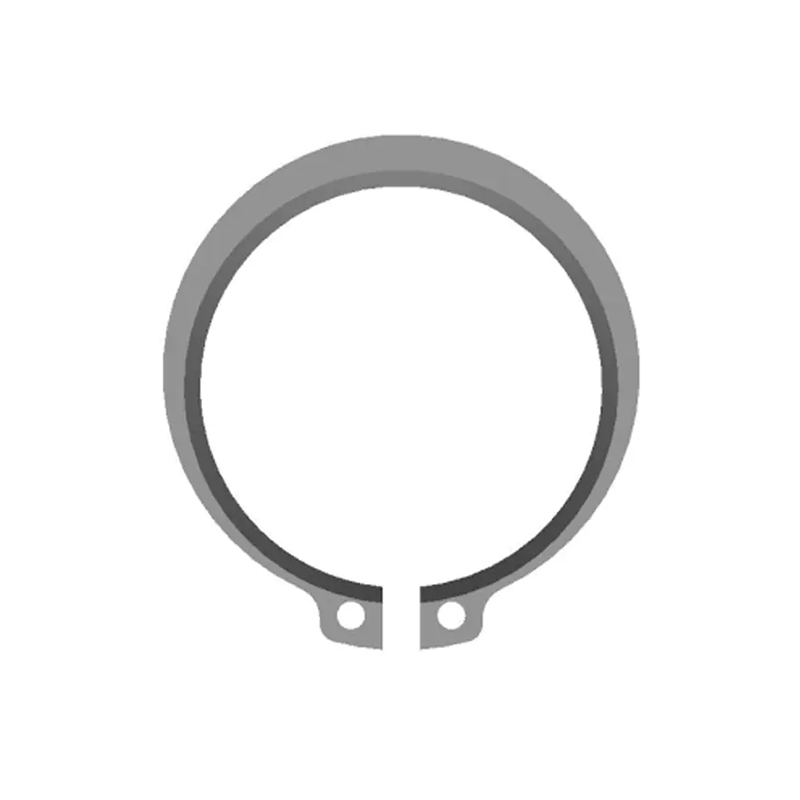
In precision fastening, this elastic memory is what makes DIN471 external circlips work. The ring expands over the shaft and snaps into a groove. If the material is too soft, the ring will not retain axial force; if it is too brittle, the ring will break during installation or under shock load.
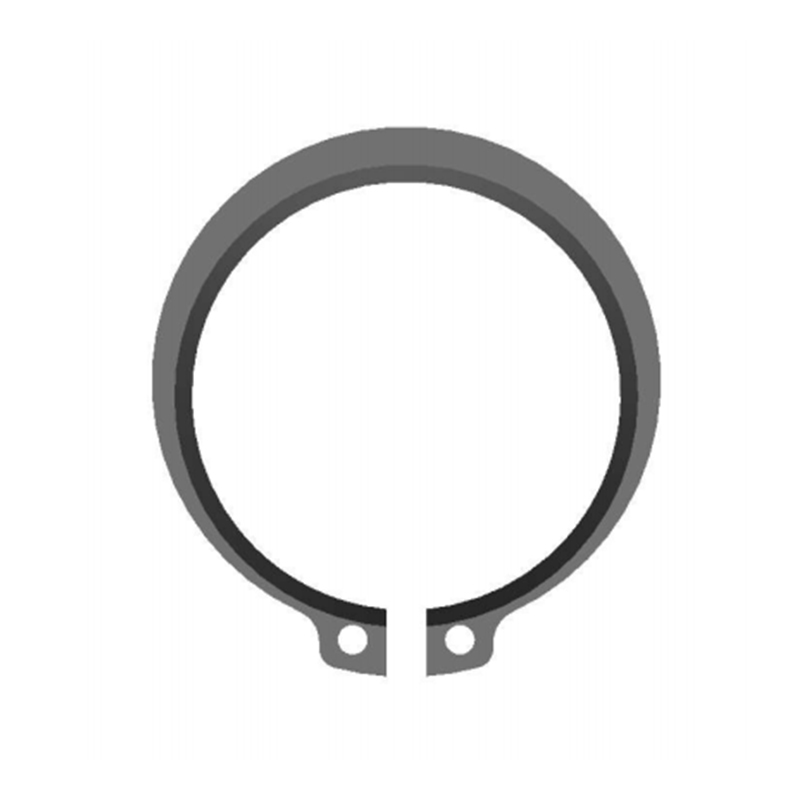 Custom External Circlips for Shafts-DIN471 Suppliers, CompanyAs China Custom External Circlips for Shafts-DIN471 Suppliers and External Circlips for Shafts-DIN471 Company, Dongbo Fastener Custom Ext...View Product →
Key Mechanical Properties
Spring tempered steel is specified less by a single hardness number and more by the balance of several mechanical properties.
High Elastic Limit
The material can bend to a tight radius and still return to its original dimensions. This is essential for circlips that must open during installation without yielding.
Fatigue Resistance
Spring temper steel resists crack initiation under repeated loading, which is why it is used for snap rings, spring washers, and suspension components.
Controlled Hardness
Typical spring temper parts fall in the 44–50 HRC range. This hardness provides wear resistance and helps the components resist groove wear over time.
Stable Dimensional Behavior
Properly tempered steel maintains its free diameter and gap dimension after installation, reducing the risk of loosening or dislodgement.
Spring Temper vs. Full Hard vs. Annealed
The table below compares common temper states used for stamped fasteners. Actual values depend on the steel grade and section thickness.
How Spring Temper Is Achieved
The route to spring temper looks the same in most plants, but the control of each step is what creates consistent parts.
- Austenitizing: The steel is heated above its critical range, typically to 820–900°C, so carbon dissolves into the matrix.
- Quenching: Rapid cooling in oil or polymer transforms the steel into hard, brittle martensite.
- Tempering: The part is reheated to 400–600°C and held for a set time. This relaxes internal stresses and raises toughness without losing too much hardness.
- Finishing and inspection: Spring parts may be phosphated, oiled, or plated. Batch testing for hardness, gap size, and surface defects confirms compliance.
For a retaining ring manufacturer, this process must be linked with stamping and precision measurement. That is why Dongbo operates a fully integrated manufacturing process where raw material, tooling, stamping, heat treatment, and automatic optical inspection are managed in one facility.
Hidden Metrics That Separate Good Spring Temper Parts from Bad Ones
Datasheets may show hardness and tensile strength, but field failures are usually caused by factors that do not appear on a certificate.
- Decarburization depth: Surface carbon loss lowers hardness and fatigue strength.
- Microcracks: Grinding or dry stamping can create stress risers and early crack propagation.
- Residual stress inconsistency: Uneven tempering changes gap dimensions and installed force.
- Free ferrite: Insufficient austenitizing leaves soft spots that reduce the elastic limit.
The chart below illustrates how temper condition affects relative fatigue resistance in a stamping bend test.
Industry Application Distribution of Spring Tempered Steel Parts
Spring tempered steel components can be found in nearly every mechanical assembly that supports a shaft or bore, but the largest demand comes from a few sectors.
The automotive sector relies on spring tempered circlips for gearbox shafts, constant-velocity joints, and brake components. Wind turbines use high-strength spring washers to maintain bolted joint preload. Construction equipment uses heavy-duty retaining rings on hydraulic cylinders and final drives. These applications share one requirement: the part must hold its shape after installation because replacing it later is expensive.
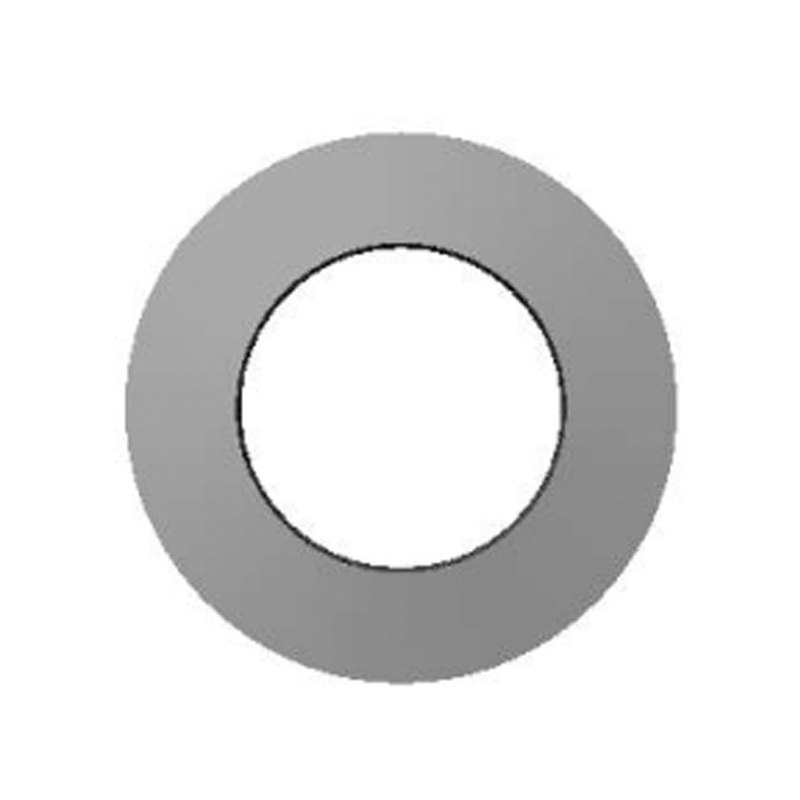
For dynamic bolted joints, high-load Belleville spring washers DIN2093 made from spring tempered alloy steel are often specified to prevent relaxation under vibration.
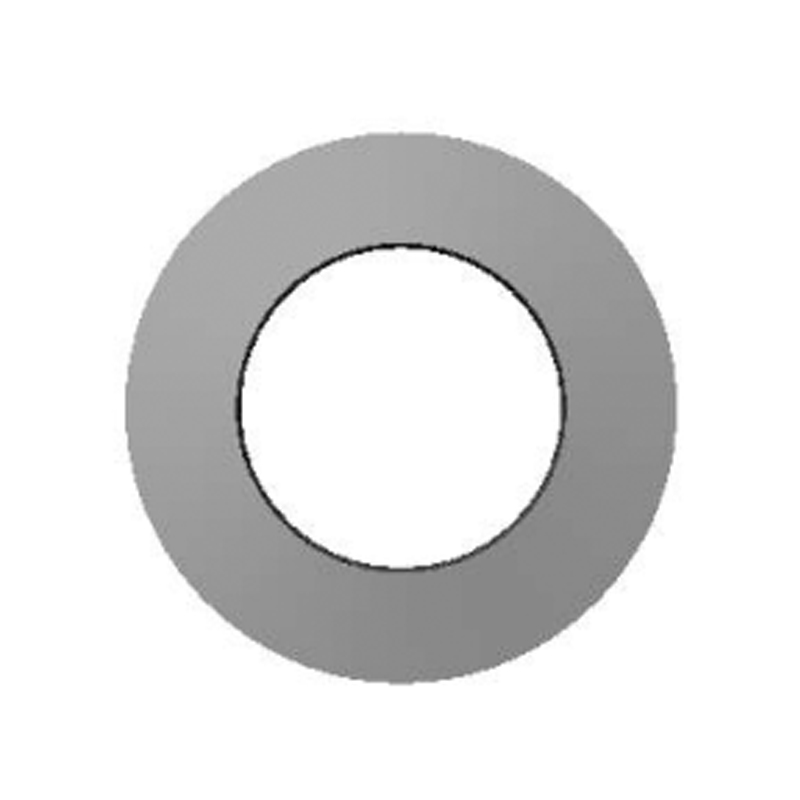 DIN2093 51CrV4/50CrV4 Belleville Spring Washer Suppliers, CompanyAs Custom DIN2093 50CrV4 Belleville Spring Washer Suppliers and DIN2093 51CrV4 Belleville Spring Washer Factory, we can design Custom DIN...View Product →
Selection and ROI: How to Choose a Spring Tempered Steel Component
Choosing the right component is a cost analysis, not just a material lookup. Premature failure costs far more than the component itself.
Define the load case
Identify axial force, vibration amplitude, and displacement. A spring temper part must absorb these loads without exceeding yield stress.
Select the standard
Choose DIN471 for shaft retention, DIN472 for bore retention, or DIN2093 for preload washers. Standards define groove dimensions and load classes.
Match material grade
Carbon steel is economical; 50CrV4 alloy steel offers better fatigue life at higher temperatures and in highly dynamic systems.
Verify tolerances
Groove width, gap size, and free diameter all affect installed performance. Tight tolerance control reduces assembly risk.
Evaluate total lifetime cost
Include downtime, warranty, and installation labor in the comparison. A slightly more expensive spring temper part can save significant field repair costs.
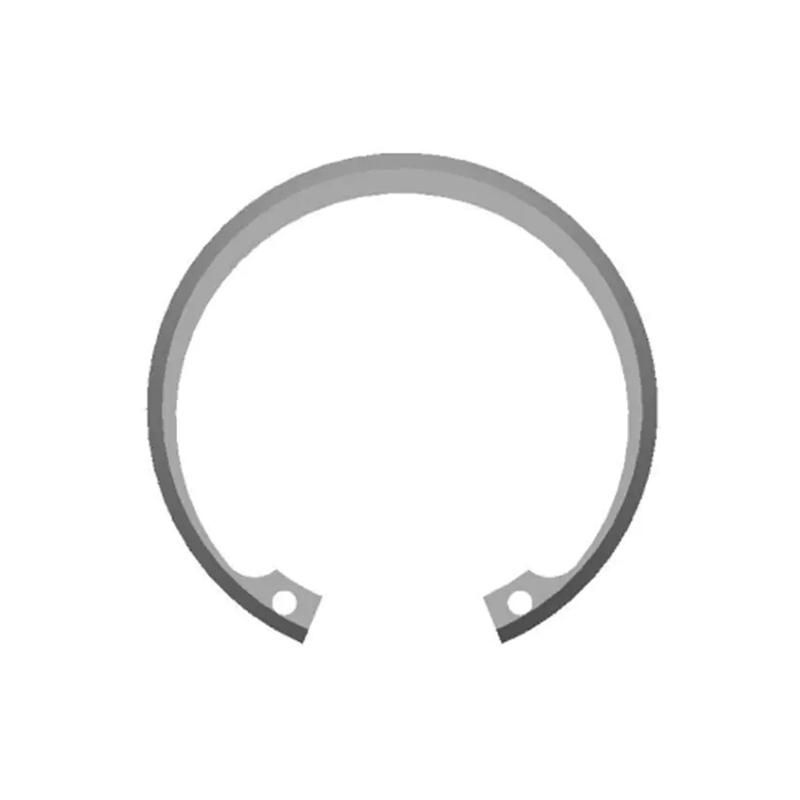
For bore applications, DIN472 internal circlips provide the same elastic retention reliability as external circlips but are designed to engage a groove inside a housing. Verify the groove width and depth tolerances because they directly influence retention strength.
 DIN472 1.4122 Circlips Suppliers, DIN472 Internal Retaining Ring CompanyAs China DIN472 1.4122 Circlips Suppliers and DIN472 Internal Retaining Ring Company, Dongbo Fastener supply Custom DIN472 1.4122 Circlip...View Product →
Maintenance and Compliance Considerations
Spring tempered steel parts are maintenance-friendly, but they are not indestructible. Installers should follow common-sense rules.
- Never spread a circlip beyond the manufacturer's recommended maximum gap.
- Check for scratches and surface deformation after assembly; damaged edges can reduce fatigue life.
- Use the correct pliers or applicator to avoid scratching the spring surface.
- Choose the right corrosion protection: phosphating for oily environments, zinc plating for humid indoor conditions, and Dacromet for automotive underbody exposure.
- Review material certificates for hardness range, decarburization depth, and microstructure consistency.
- Buy from suppliers who test their products, not just the raw material. A CNAS-accredited testing center is a strong signal of process control.
Standards compliance is also a contractual matter. DIN 471, DIN 472, and DIN 2093 specify dimensional ranges, load classes, and material requirements. For a custom stamped shape, the design should reference the same material and temper requirements so that the supplier can build the correct process.
Spring temper is not just a material state; it is a quality discipline. The martensite must be tempered to the right range, the free diameter must be controlled within tolerance, and the surface must be free of cracks. Every spring tempered steel part you install has been through that chain.
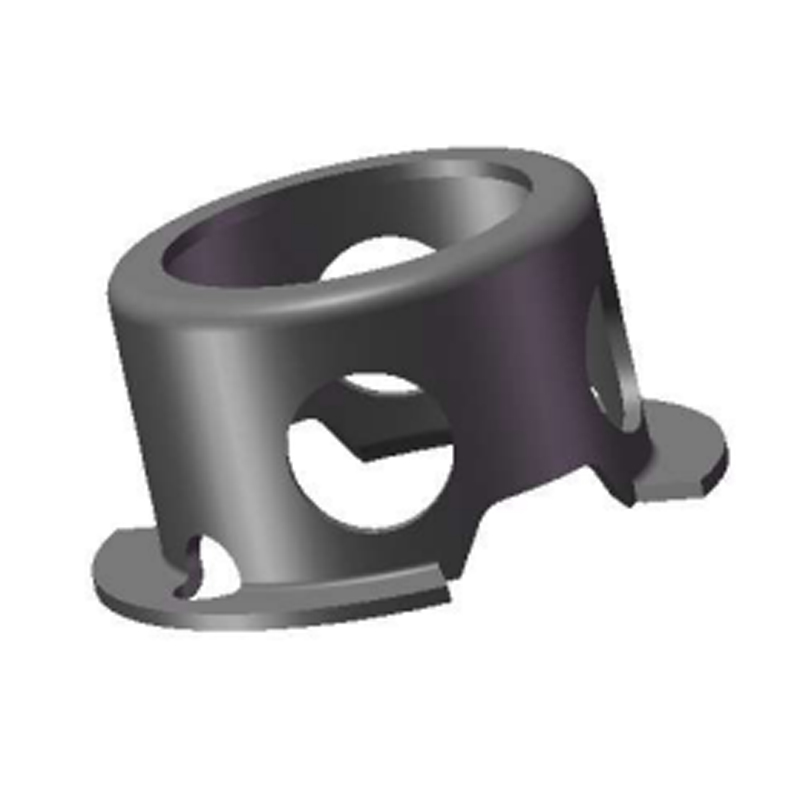
When you work with a manufacturer that controls the entire chain, you reduce uncertainty. At Dongbo Fastener, spring temper processing, stamping, heat treatment, surface coating, and optical inspection happen under one roof. If your drawing requires a non-standard clip or retainer, the customized stamped parts route can turn a concept into a tested component. Contact the team with your application details and let the engineering data guide the selection.