English
 中文简体

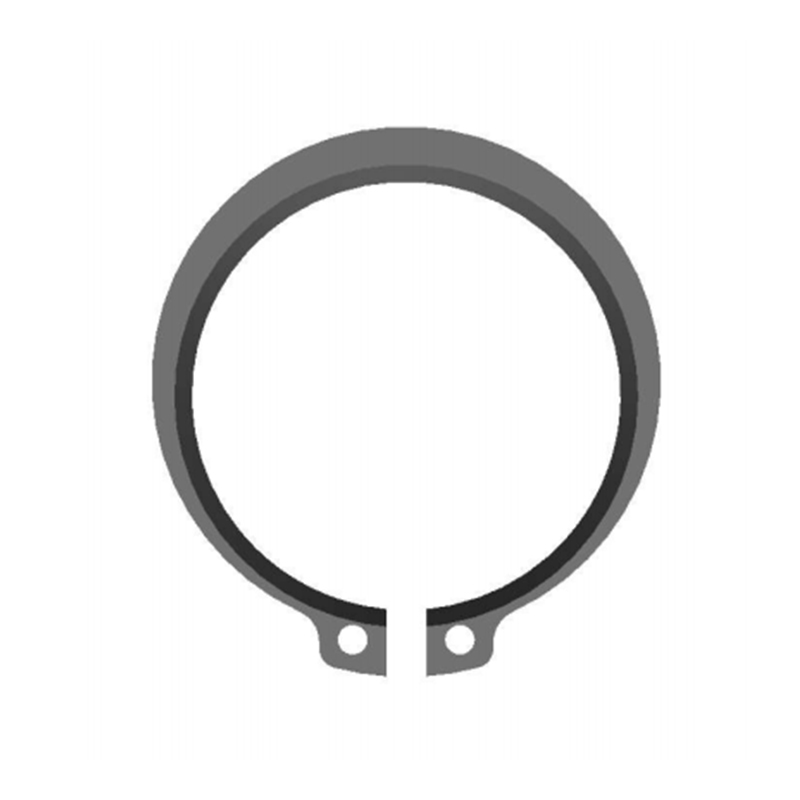
A coastal wind site pulled a stainless circlip out of an aluminum gearbox bore after 14 months of service. The circlip still looked new. The aluminum groove behind it was covered in white oxide powder, the groove wall measured about 0.1 mm oversize, and the bearing the circlip was meant to lock had already begun to walk axially. Nothing was wrong with the steel, which is precisely why this failure mode slips past inspection plans built around the fastener.
Stainless steel in aluminum corrosion is a design outcome, not a material defect. Wherever a stainless circlip, bolt, washer or bracket shares a damp, chloride-bearing surface with aluminum, the aluminum becomes the anode and gives up metal to protect the stainless. The useful question is not which metal is better, but how much aluminum you can afford to lose, at which interface, and over how many service years.
The short version: aluminum is the anode, stainless steel is the cathode, and climbing from 304 to 316L changes almost nothing about how fast the aluminum suffers.
- In seawater, aluminum alloys sit near -0.75 V vs SCE while 316 stainless sits near -0.05 V, a gap of roughly 0.7 V.
- A potential difference above 0.25 V is treated as risky in controlled environments, and above 0.5 V in marine service.
- Damage scales with the cathode-to-anode area ratio, chloride dwell time and crevice geometry, not with the alloy grade on the drawing.
- The dependable fix is a broken electrical path, controlled drainage, or a deliberately chosen sacrificial part.
Content
Three Conditions, and Why Aluminum Always Loses
A galvanic cell needs all three of the following at once. Remove any one of them and the aluminum survives:
- Metallic contact between the stainless part and the aluminum structure.
- A potential difference large enough to drive current, around 0.6 to 0.7 V for passive stainless against aluminum in chloride conditions.
- A continuous electrolyte film bridging both metals: sea spray deposits, condensation, wash water and de-icing salt residue all qualify.
Aluminum defends itself with a 2 to 4 nm oxide layer that reforms within seconds in dry air, which is why indoor aluminum assemblies with stainless fasteners often last for decades. Chloride attacks locally: the oxide breaks down at one point, a pit opens, and the solution inside that pit can fall to pH 3 to 4 while the surrounding surface stays passive. The pit keeps growing inward even when the visible surface still looks sound.
The anode is assigned, not negotiated
Aluminum sits well below stainless on the galvanic series. Current flows out of the aluminum into the stainless, so aluminum loses mass no matter which part is larger.
Area ratio sets the speed
A small stainless screw in a large aluminum plate spreads the loss thin. A large stainless plate holding a small aluminum boss concentrates current into a tiny anode and cuts a deep pit.
Crevices keep the cell alive
Circlip grooves, washer faces and bracket joints trap chloride and hold moisture far longer than open surfaces, while restricting oxygen at the same time.
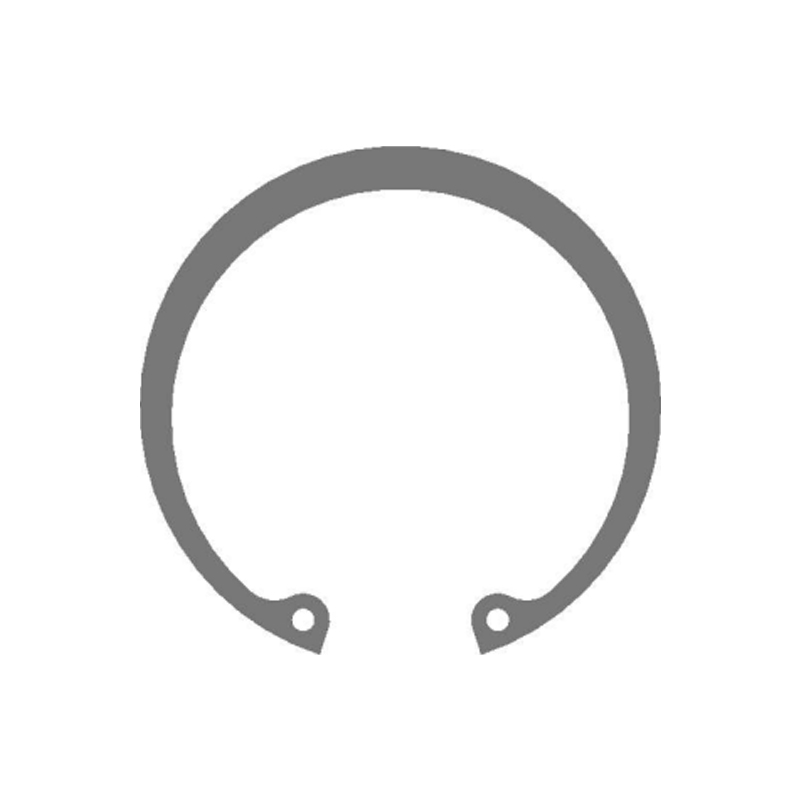
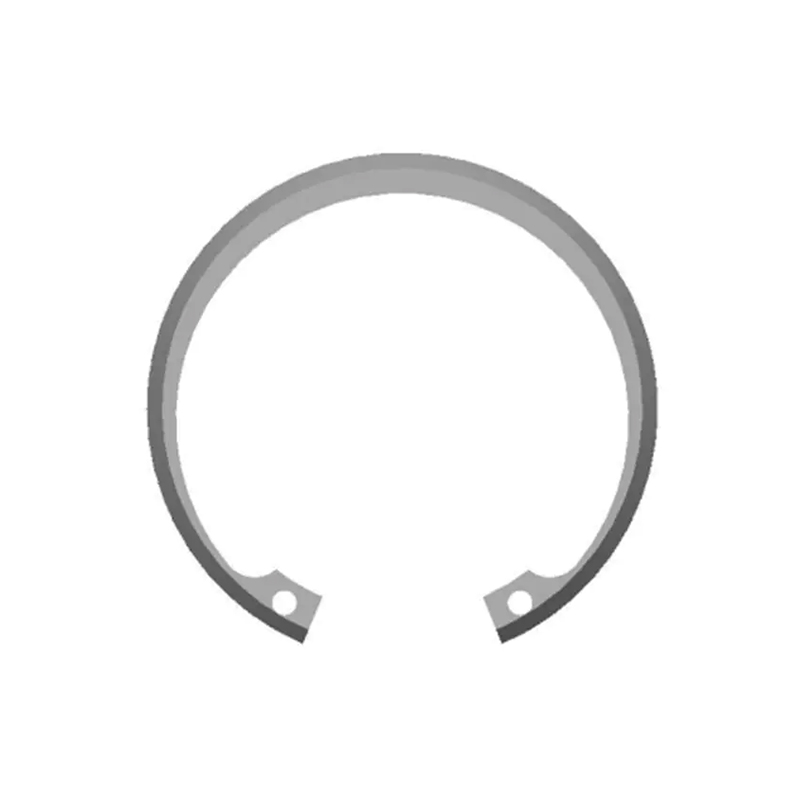
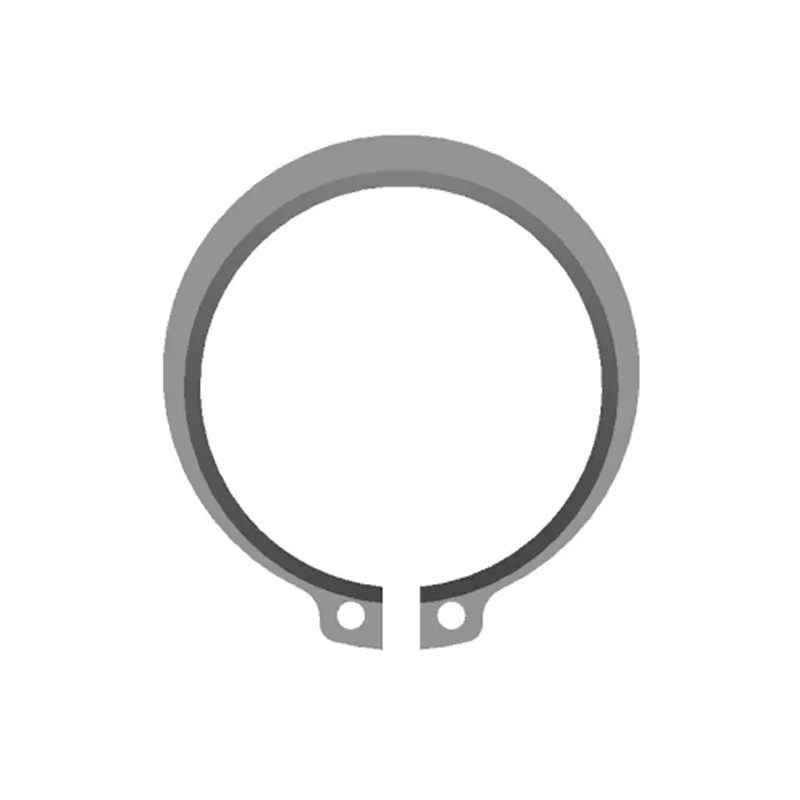
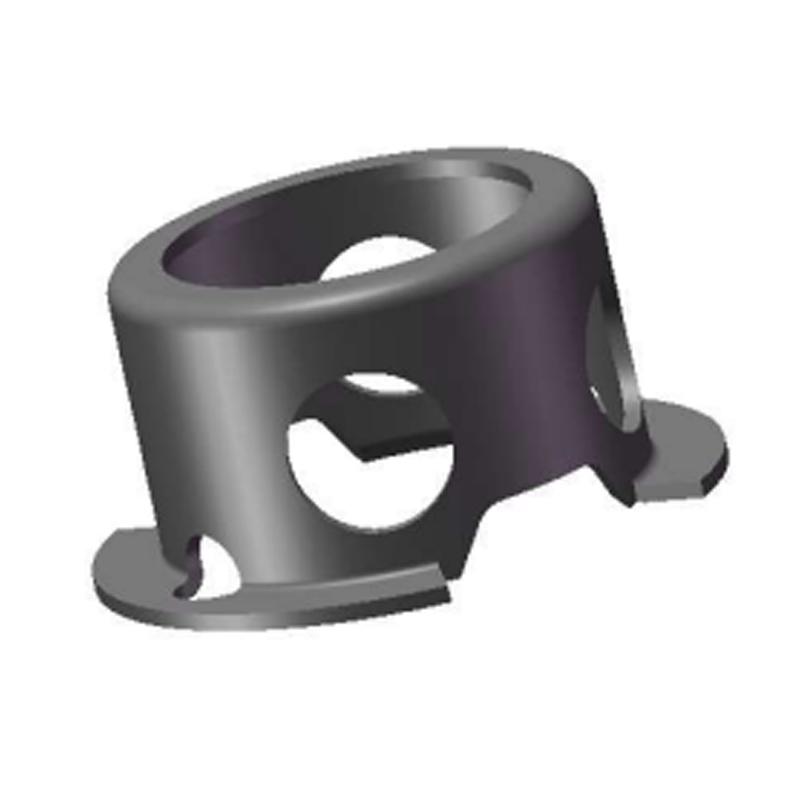
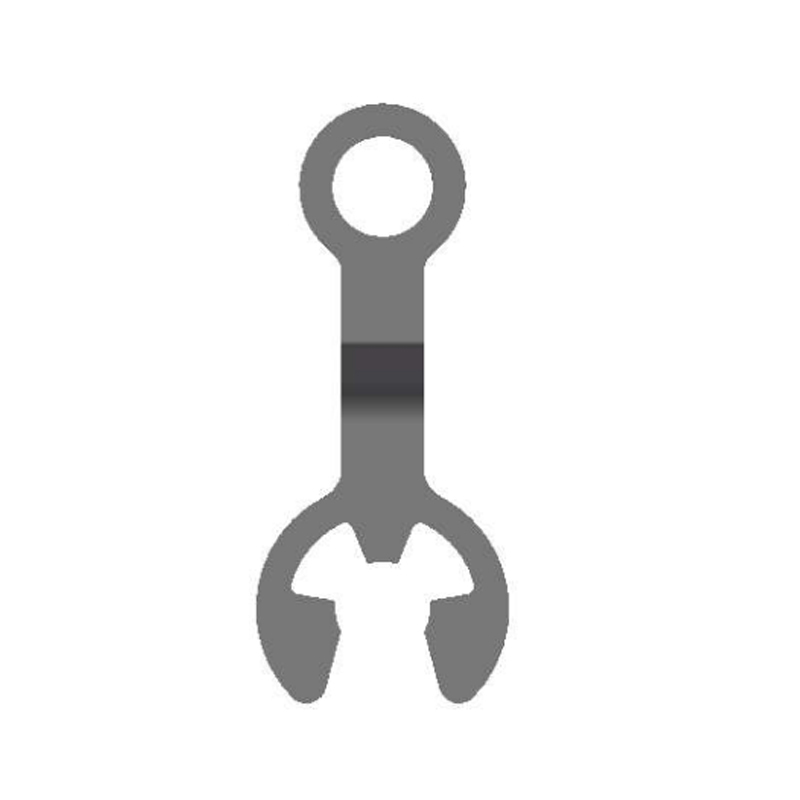
In circlip and washer assemblies the vulnerable surfaces are narrow and predictable: the groove wall in an aluminum bore, the shaft shoulder behind an external circlip, and the contact band under a flat or belleville washer. These points are the hardest to inspect and the easiest to leave out of a coating specification.
Fastener Options and What Each Choice Does to Aluminum
The comparison below covers the choices engineering teams actually specify for the same aluminum joint in a chloride-bearing environment.
One variable that is easy to overlook: heat treatment and surface finishing shift the corrosion behaviour of stamped parts more than most purchase specifications admit. A passivated 316L circlip and a non-passivated one can behave differently in the same groove — the effect of heat treatment and surface coating on stamped circlip corrosion resistance is worth reading before you freeze a drawing.
The Hidden Metric: Cathode-to-Anode Area Ratio
Most specifications stop at "use stainless". The variable that decides how deep the damage goes is how much cathodic stainless surface is electrically connected to how much anodic aluminum.
The index climbs steeply past 10:1. That is why a stainless bracket bolted to a small aluminum boss is a worse galvanic design than a stainless circlip seated in a large aluminum housing, even though both use the same steel. With the circlip, the metal loss spreads around the groove; with the bracket, the current concentrates and cuts a pit within a few seasons.
Environment multiplies everything. A C2 indoor assembly can be two orders of magnitude milder than the same geometry in a C5-M coastal installation, and if the joint sees de-icing salt, assume the cell is live from day one.
Where Mixed Aluminum-Stainless Joints Show Up
- Automotive and battery-pack structures: 34%
- Building facades and curtain walls: 22%
- Wind and power equipment: 18%
- Marine and offshore fittings: 14%
- General industrial and HVAC: 12%
The split is indicative, but the differences matter. Automotive underbody joints face splash and stone-chip damage; wind and offshore equipment must survive long maintenance intervals; facades and curtain walls have to hold for decades with no realistic access for rework. Each case changes whether you rely on isolation, drainage or a sacrificial coating.
A Five-Step Selection Sequence
Work through these in order, because each step changes the value of the next one.
- Classify the environment with ISO 9223 (C1 to CX). Anything at C3 or above, or any chloride exposure, should be treated as a live galvanic cell.
- Identify which part is the anode and estimate the cathode-to-anode area ratio. Decide up front which component you can afford to lose.
- Break or control the circuit: PA66-GF or PET isolator washers and sleeves, PTFE-coated fasteners, anodised-and-sealed aluminum contact faces, or a bonded insulating shim.
- Specify the metal and the finish: 316L (A4) with ASTM A967 passivation where chloride is present, or zinc-nickel plating where a plated steel part is acceptable. Keep free iron off aluminum surfaces by using dedicated stainless tooling and clean workstations.
- Prove it in a cabinet: ISO 9227 neutral salt spray at 720 hours as a baseline, VDA 233-102 cyclic testing for automotive programs, then check torque retention and groove wear on stripped assemblies.
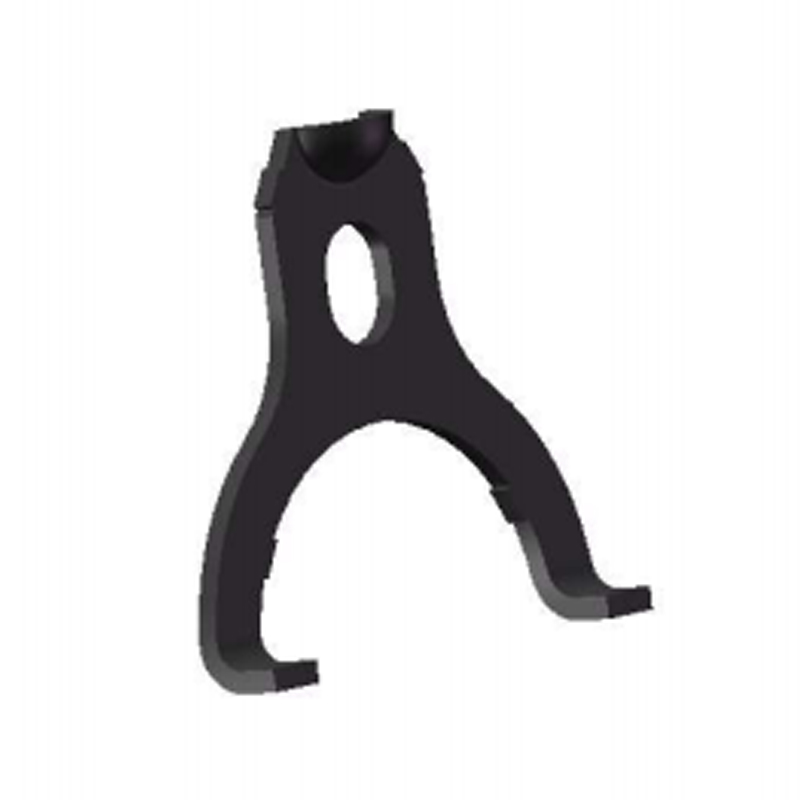
Where standard catalogue parts do not fit the joint geometry, custom stamping and forming is usually the cheaper route than redesigning the housing. Dongbo Fastener runs custom circlip and stamping development from tooling through finishing, which lets the isolation geometry and the retaining feature be solved in one component rather than in a stack of loose washers.
Maintenance, Cleaning and Compliance
- Cleaning: keep wash solutions pH neutral, roughly 5 to 8. Caustic soda dissolves the aluminum oxide layer, chloride-based cleaners leave the pit chemistry in place, and steel wool transfers free iron onto the surface.
- Inspection: on C4 and C5 sites, check every dissimilar-metal contact point annually for white oxide bloom, staining on the stainless and torque loss. Groove wall dimensions are the earliest hard indicator of trouble.
- Documentation: ASTM G82 for galvanic series selection, EN 1999-1-1 for aluminum structures, ISO 9223 for corrosivity class, ASTM A967 for passivation, ISO 9227 and VDA 233-102 for test evidence.
- Traceability: batch records linking heat treatment and surface finishing to each production lot are what let you trace a corrosion complaint back to a specific process change instead of guessing.
The practical conclusion is straightforward. Choose the stainless grade for the fastener's own survival, and choose isolation, drainage and finishing for the aluminum's survival. The controlled manufacturing and finishing process behind the part is what makes the difference hold up in service, not the alloy name on the certificate.